
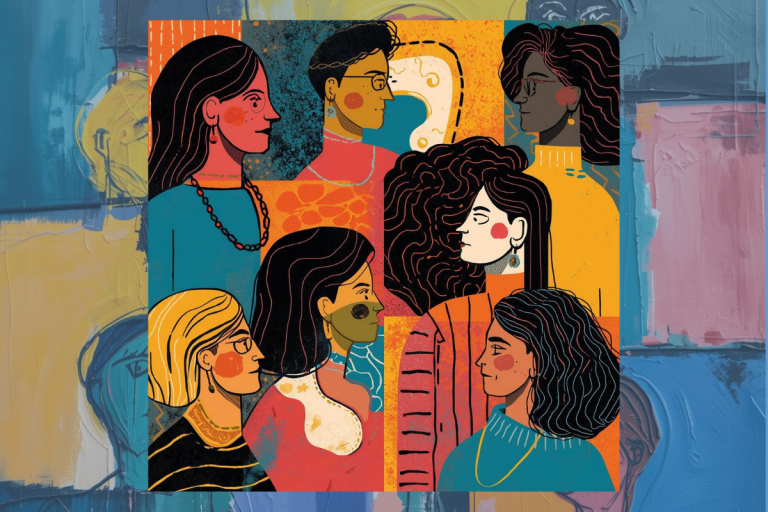
What does a session on governance really mean for a small, growing community-based organisation? And why should a young CBO think about boards, structures, and policies while still navigating day-to-day challenges?
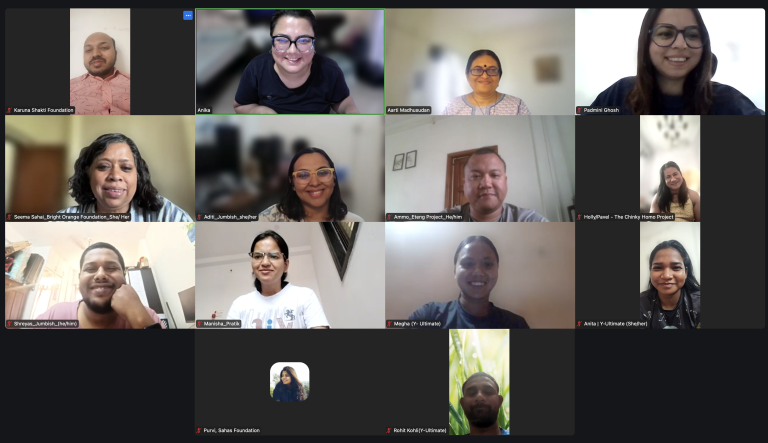
These questions framed Session 1 on Governance as part of our 2026 Community Connect Capacity-Building Series. The series brings together multiple members from the same organisation to learn collectively and translate insights into practical strategies that strengthen their work. Each session will be led by experienced resource persons, combining learning inputs with practical exercises and peer exchange.
Why Governance Matters Early
For many small and new CBOs, founders and early team members take on several roles at once. Their work is driven by commitment to the community, but without clear systems, responsibilities and decision-making can quickly become unclear.
Building governance systems early helps organisations create clarity and consistency. Instead of reacting to requirements later, especially when donors demand formal structures, CBOs can grow with systems already in place. These systems support transparency, strengthen trust with both communities and funders, and help organisations manage risks more effectively. Over time, they make organisations more resilient and better prepared to adapt as they grow.
Understanding Boards and Their Role
The Community Connect April session, led by Aarti Madhusudhan, focused on making governance practical. It explored what it really means to have a board, not just as a legal necessity but as a group that can guide, question, and strengthen an organisation’s direction.
Participants discussed the difference between legal boards and advisory boards, and why clarity in structure and documentation is critical. When roles, terms, and responsibilities are not clearly defined, organisations often face confusion or conflict later. The conversation also highlighted the importance of building a board that reflects diversity in skills and perspectives, while staying aligned with the organisation’s mission.
Strengthening Board Engagement
Many organisations struggle not just with finding board members, but with working effectively with them. The session emphasised the importance of understanding what motivates each board member and aligning their strengths with the organisation’s needs. Regular communication, honest feedback, and clear goals were seen as essential for building strong working relationships.
Structure, Size, and Transparency
The discussion also touched on board size and the role of founders. For smaller organisations, a board of five to seven members was recommended to keep decision-making effective. It was also important to separate operational roles from board positions to avoid conflicts of interest.
Governance is not only about doing the right thing but also about maintaining credibility and trust. Being transparent about who board members are and what they contribute helps build that trust across both internal and external stakeholders.
Navigating Real-World Challenges
The session addressed real challenges that grassroots organisations face, including balancing organisational values with donor expectations and ensuring that decision-making processes remain inclusive. It also highlighted the importance of adapting policies to local contexts so that governance practices remain relevant and culturally appropriate.
Measuring Board Effectiveness
A practical takeaway from the session was the “five S’s” framework for understanding board roles. This includes supportiveness, scrutiny, strategy, stewardship, and structure. Together, these elements help organisations reflect on whether their board is actively contributing to decision-making, guiding programmes, and influencing the larger ecosystem.
Governance is often treated as something to think about later, once an organisation grows. This session challenged that idea. For small and emerging CBOs, governance is not an added layer of complexity. It is a foundation that enables clarity, accountability, and long-term sustainability.
Way Forward
The workshops in this series are designed so that, after all sessions, participating organisations come together to “stitch” their learnings across themes, shaping a clear and practical organisational strategy. This process strengthens core capacities, improves team coordination, and supports the development of useful tools alongside a well-defined path forward.
This approach reflects our broader vision that grassroots and youth-led organisations, with their deep local knowledge and commitment, can sustain their work and create long-term impact in underserved communities when supported by strong organisational frameworks.
Learn more about the Community Connect series here: foundationforrebuildingchildhood.org/community-connect-2026