On paper, compliance rarely excites anyone, even those spearheading programmes. For many working in NGOs, it feels like a checklist that sits somewhere between obligation and frustration. But in a recent session led by CA Mr. Kaushik, that perception began to shift.
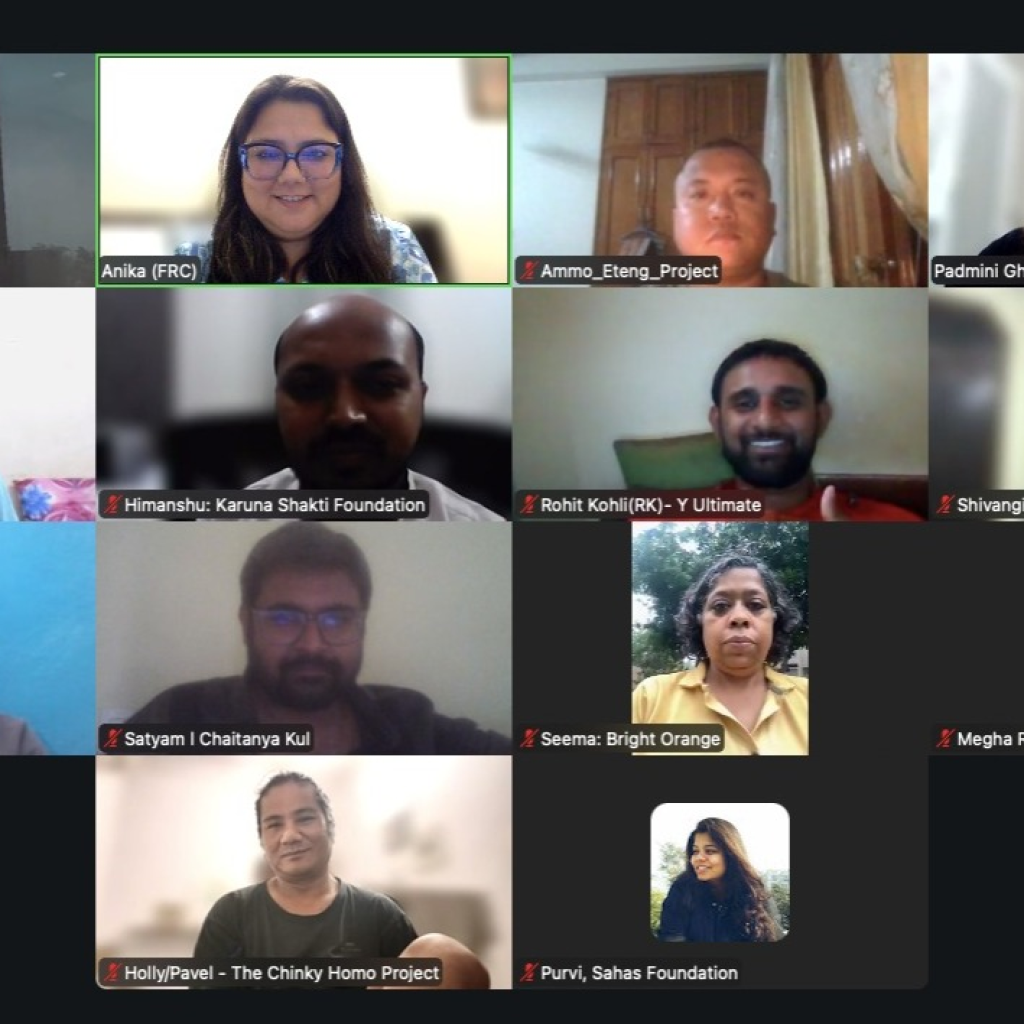
As part of our Community Connect capacity-building workshop series, the second session focused on compliance for young and nascent organisations. It showed how compliance supports credibility, trust, and long-term impact.
About the Session
The session opened with a simple question: what kind of organisation are you building?
Participants explored the three main structures in India, Section 8 companies, trusts, and societies. What seemed procedural at first soon proved foundational, as these choices shape everything that follows.
Section 8 companies stood out for their higher compliance requirements, including board meetings, annual filings, and multiple regulatory touchpoints. These demands also make them more credible to CSR donors. The message was clear: structure matters for growth.
Key Takeaways
1. The Reality of Governance: The discussion moved to governance, an area many organisations struggle with. In smaller NGOs, roles often overlap, leading to confusion and conflict of interest. Mr. Kaushik emphasised the need to separate governance, management, and ownership, even in small teams.
2. Director Compensation: While governance roles cannot be paid, operational roles can be, if properly documented. The focus is on clarity and accountability.
3. Moving Beyond Last-Minute Compliance: Many participants associated compliance with last-minute filings. This shifted towards building a compliance culture that is ongoing and organised. Tools like compliance calendars were presented as essential.
Routine tasks, such as updating board details on the NITI Aayog portal, were highlighted as indicators of professionalism. For trusts, it was clarified that deeds referencing laws “as amended from time to time” already cover recent updates. However, regular communication with authorities remains best practice.
4. The Fundraising Reality Check: Fundraising emerged as a key theme. Beyond storytelling, donors expect systems. Separate CSR bank accounts, clean financial records, and defined governance structures are essential.
5. Policies and Systems: Participants were encouraged to implement key policies, including HR, financial management, anti-fraud, child safeguarding, POSH, and whistleblower protections. These should be clear, simple, and actively followed.
6. Understanding FCRA and CSR1: The session addressed common questions on FCRA and CSR1. While three years of work and financial thresholds are typical for FCRA, some flexibility exists. CSR1 registration also benefits from a track record but is not limited to it. The broader takeaway was that building a strong organisation takes time, supported by systems and consistency.
7. Practicality over Ambition: Participants were advised not to overcomplicate governance. Advisory boards may not be necessary for smaller organisations, and requirements vary by structure. Understanding what applies is as important as compliance itself.
A Shift in Perspective
By the end, compliance was seen less as a burden and more as a strength. Participants left with clearer steps and improved understanding, reflected in feedback where 82 percent reported significant learning.
More importantly, compliance was no longer seen as paperwork, but as a way to build stronger, more sustainable organisations. This marked the conclusion of the second session in the Community Connect series.